

Grow Your Own Flavors: How to Start a Culinary Garden at Home
As owner of Blooms Social Flower Bar here in sunny West Palm Beach, we celebrate flowers as a feast for the eyes – but today, I want to share a little passion project of mine that’s truly a feast for all the senses: my culinary garden.
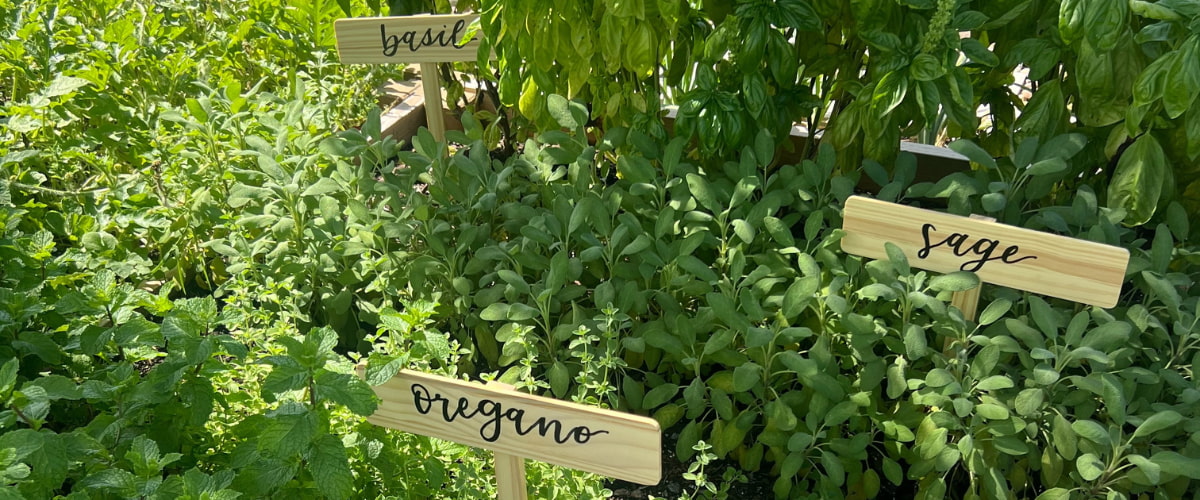
Everything in my garden is edible. It’s a living pantry, bursting with herbs like sage, basil, oregano, mint, lavender, and chives, along with edible flowers like nasturtiums and pansies. Not only does it make cooking at home so much more flavorful, but it also brings beauty, fragrance, and a sense of connection to nature right into your everyday life.
Whether you live in a house with a backyard or a condo with a sunny windowsill, you can start a culinary garden. Here’s how to start your own culinary garden where everything is edible:
🌿 How to Start a Culinary Garden
- Choose Your Location
Most herbs and edible flowers love sunshine, so find a spot that gets at least 6 hours of sun a day. This could be a corner of your yard, a raised bed, balcony railing planters, or even your kitchen windowsill. - Pick Your Plants
Start with easy-to-grow, versatile herbs and edible flowers:
- Basil – Great in everything from caprese salads to cocktails.
- Oregano – Perfect for Italian dishes and dries well for winter use.
- Sage – Earthy and elegant, wonderful for roasts and compound butters.
- Chives – Mild onion flavor with beautiful edible purple blossoms.
- Mint – Refreshing in drinks and desserts (tip: plant it in a container so it doesn’t take over).
- Lavender – Lovely in lemonade, syrups, and baked goods.
- Nasturtiums – Peppery blooms that look as good as they taste.
- Pansies & violas – Mildly sweet and stunning on cakes or in ice cubes.
Learn more about edible flowers here.
-
Choose Your Containers or Beds
- For patios: Use terra cotta pots or wooden planter boxes.
- For indoors: Mason jars, tea tins, or ceramic containers with drainage work beautifully.
- For yards: Raised garden beds or direct soil planting are great options.
-
Use Good Soil and Water Wisely
Herbs prefer well-draining soil. You can use organic potting mix with compost mixed in. Water regularly but don’t overwater – let the top inch of soil dry out between waterings.
-
Harvest with Care
Snip your herbs early in the morning for the most flavor, and always cut above a leaf node to encourage bushier growth.
🌸 Maintaining Your Garden
- Deadhead edible flowers to encourage new blooms.
- Pinch back herbs like basil regularly to prevent them from flowering (which makes them bitter).
- Use organic pest deterrents like neem oil or dish soap spray.
- Rotate your pots or planters every couple of weeks to ensure even sunlight if they’re on a balcony or windowsill.
And most importantly: Use your herbs! Throw mint in iced tea, sage in brown butter, or toss oregano and lavender into a summer salad. You’ll be amazed at how much more flavorful (and beautiful) your meals become.
🐝 Why Bees Love Your Culinary Garden (and Why That’s a Good Thing!)
As a beekeeper myself, I can tell you – your culinary garden isn’t just feeding you, it’s feeding the bees too. Herbs like lavender, oregano, chives, and thyme produce nectar-rich blooms that attract pollinators, and edible flowers like nasturtiums and calendula are bee favorites. Creating a space that supports pollinators isn’t just good for the environment – it helps your garden thrive, increases your herb yield, and keeps our buzzing friends healthy. A win-win for your kitchen and the planet.
❓ Culinary Garden FAQ
Q: Where can I buy herbs or get started with a culinary garden?
You can start herbs from seed or buy small starter plants. For beginners, I recommend picking up healthy, organic starter herbs from a local nursery or garden center – they’re easier to manage and you can start harvesting sooner. At Blooms Social Flower Bar, we can point you to some of our favorite local spots in West Palm Beach. You can also start with a culinary herb kit from a garden store or even online – just make sure it includes quality soil and drainage-friendly containers.
Q: Can I grow a culinary garden indoors?
Yes! As long as you have a sunny window (south-facing is best), herbs like basil, mint, and chives will thrive. Use pots with drainage and water when the soil feels dry.
Q: How long do fresh herbs last once cut?
They’re best used immediately, but you can store most herbs like flowers: place the stems in a glass of water and refrigerate. Or dry them by hanging small bunches upside down in a dry, dark place.
Q: What edible flowers are beginner-friendly?
Try nasturtiums, pansies, and calendula. They’re easy to grow and beautiful on salads, cakes, and cocktails.
Q: Can I plant culinary herbs alongside flowers?
Absolutely! Many herbs repel pests and attract pollinators. They’re perfect companions in mixed container gardens or raised beds.
Q: Do herbs need fertilizer?
If you’re using rich potting mix with compost, you likely don’t need much. If growth slows, a monthly dose of organic liquid fertilizer like fish emulsion can help.
I hope this inspires you to get your hands a little dirty and your meals a little tastier. Come by Blooms Social Flower Bar anytime if you’d like tips, herb starts, or some floral inspiration. Your garden – and your dinner table – will thank you!
Sending you love and lavender 🌿💐